
That Frustrating Reverse: What's Going On?
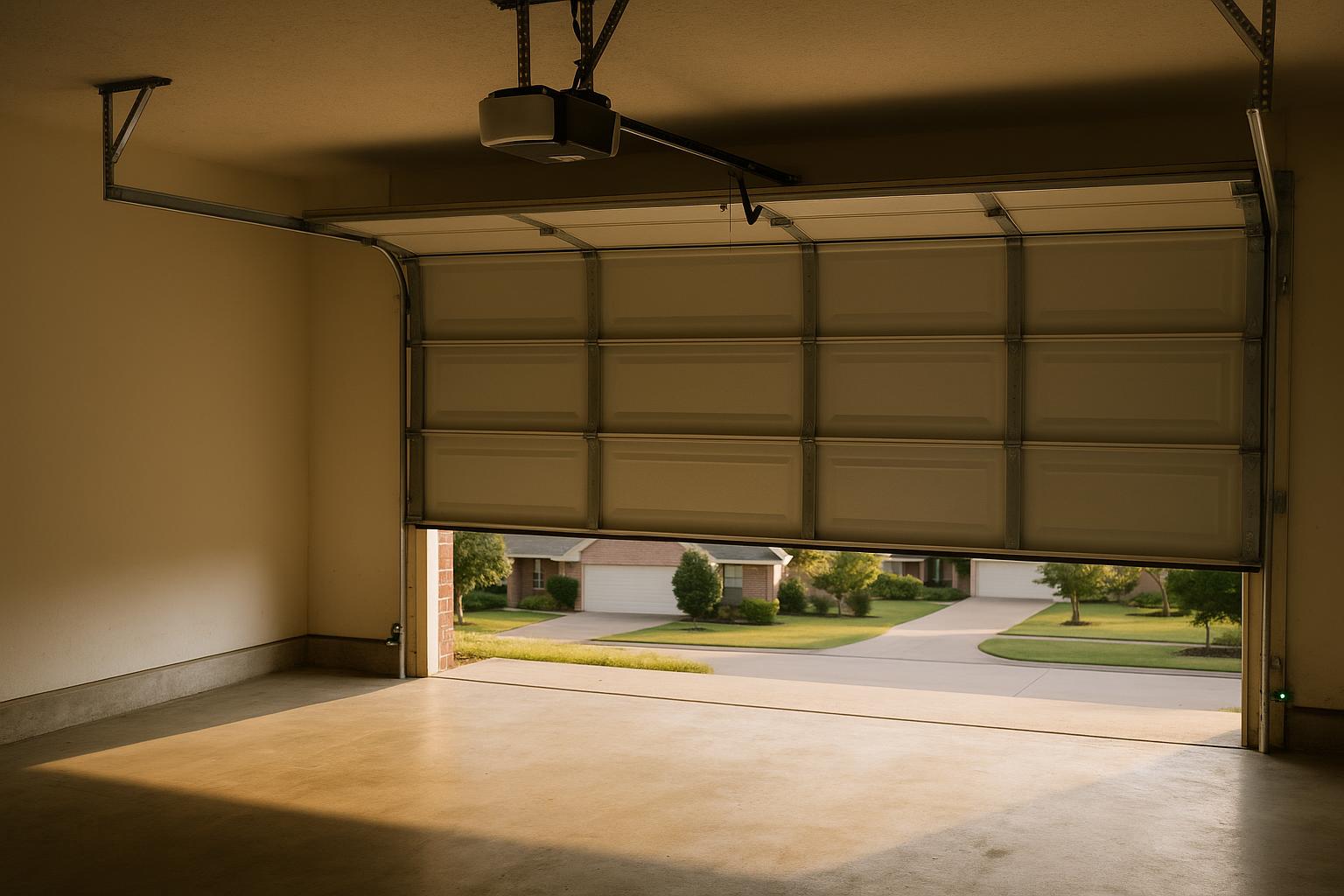
You press the button on your garage door remote, watch the door glide downward, and then — just before it reaches the floor — it stops and reverses back up. You try again. Same thing. Maybe it works on the third attempt, maybe it doesn't. Either way, you're standing in your driveway in Broken Arrow wondering what went wrong.
This is one of the most common garage door problems we see, and the good news is that it's usually fixable without replacing your entire system. The bad news is that ignoring it can lead to bigger issues down the road. Let's walk through the most likely causes and what you should do about each one.
1. Misaligned Safety Sensors
Every garage door opener manufactured after 1993 is required to have photo-eye safety sensors mounted near the bottom of the door tracks, about six inches off the ground. These sensors send an invisible beam across the opening, and if anything breaks that beam — a pet, a child, a trash can — the door reverses to prevent injury or damage.
The problem is that these sensors can get bumped out of alignment pretty easily. A bicycle leaning against the track, a lawnmower nudging the bracket, or even years of subtle vibration can shift them just enough to break the beam. When that happens, your opener thinks something is in the way and reverses the door.
What to check:
- Look at the LED lights on both sensors. Most models show a steady green light on the sending sensor and a steady green or amber light on the receiving sensor. If one is blinking, it's likely misaligned.
- Gently adjust the sensor that's blinking until the light becomes steady.
- Make sure nothing is blocking the beam path — cobwebs, dirt, or debris on the lens can also cause false readings.
- Wipe both sensor lenses with a clean, dry cloth.
2. The Close-Force Setting Needs Adjustment
Your garage door opener has a setting that controls how much force it uses when closing the door. If this setting is too low, the opener interprets normal resistance — like the weight of the door itself or slight friction in the tracks — as an obstruction and reverses.
This is especially common after seasonal temperature changes here in Oklahoma. Metal tracks and springs expand and contract with the heat and cold, and what worked perfectly in October might need a small adjustment by January.
What to do: Most openers have a small adjustment dial or screw labeled "close force" or "down force." Turning it slightly in the direction indicated by the manufacturer can solve the problem. However, be careful not to set it too high — the force limiter exists to protect people and property. If you're not sure about the right setting, it's worth having a professional take a look.
3. Worn or Damaged Tracks
Over time, your garage door tracks can develop bends, dents, or buildup that creates resistance as the door moves through them. When the rollers hit a rough spot near the bottom of the track, the opener may interpret that friction as an obstruction and reverse.
What to check:
- Visually inspect both tracks from top to bottom. Look for any obvious bends, dents, or gaps.
- Check for debris, rust, or hardened grease that might be creating a rough spot.
- Make sure the tracks are properly aligned and parallel. You can use a level to check this.
Minor debris can be cleaned out, but bent or damaged tracks should be repaired or replaced by a professional. Trying to bend a track back into shape without the right tools can make the problem worse.
4. Broken or Worn Springs
Your garage door springs do the heavy lifting — literally. They counterbalance the weight of the door so your opener doesn't have to work as hard. When springs start to wear out or lose tension, the door becomes heavier for the opener to manage. This added resistance can trigger the auto-reverse feature, especially near the bottom of the travel where gravity is working against the system the most.
If your door feels noticeably heavier when you try to lift it manually, or if you hear unusual creaking or popping sounds during operation, your springs may be the culprit. Spring replacement is one of the most common services we perform for homeowners in Broken Arrow and throughout the Tulsa metro area, and it's not a DIY job. Garage door springs are under extreme tension and can cause serious injury if handled incorrectly.
5. Travel Limit Settings Are Off
Your opener has travel limit settings that tell the door exactly where to stop when opening and closing. If the close limit is set too far, the opener essentially tries to push the door past the floor. When the door hits the ground and the opener keeps trying to drive it down, the system detects the resistance and reverses.
What to do: Adjust the down travel limit according to your opener's manual. This is usually a dial or button sequence on the back or side of the motor unit. Small adjustments make a big difference — turn the dial in small increments and test the door after each adjustment.
6. Worn Rollers or Hinges
Rollers and hinges are parts that homeowners rarely think about until something goes wrong. Nylon rollers can crack and develop flat spots, and steel rollers can rust or lose their bearings. When rollers don't spin freely, they create drag that can trigger the opener's safety reverse.
Replacing rollers is a relatively affordable maintenance item that can dramatically improve how smoothly and quietly your door operates. If you haven't had your rollers inspected in a few years, it's a good idea to add it to your maintenance checklist.
When to Call a Professional
Some of these fixes — cleaning sensor lenses, checking for debris in the tracks — are things most homeowners can handle on their own. But if you've gone through the basics and your door is still reversing, or if the issue involves springs, tracks, or opener internals, it's time to call in a professional.
At Broken Arrow Garage Door, we diagnose and fix reversing issues regularly for homeowners across Broken Arrow, Tulsa, Bixby, Jenks, Owasso, and Coweta. We show up on time, figure out exactly what's causing the problem, and get your door working properly — usually in a single visit.
Don't Ignore a Reversing Door
It might seem like a minor annoyance, but a garage door that won't close properly is a security risk. It leaves your home, your vehicles, and your belongings exposed. It can also put extra strain on your opener motor, shortening its lifespan and leading to a more expensive repair later.
If your garage door keeps reversing and you can't figure out why, give us a call. We'll get to the bottom of it and make sure your door closes the way it should — every single time.